If you’ve started holding menus farther away, increasing the text size on your phone, or noticing that reading feels more exhausting than it used to, presbyopia may be the reason. This age-related vision change is extremely common and affects the eyes’ ability to focus on nearby objects.
At Decatur Family Eye Care, our skilled eye doctor in Decatur can help identify whether presbyopia is causing your near vision changes and what options may help you see more comfortably again. Keep reading to learn what presbyopia is, why it often starts after 40, common symptoms to watch for, and treatment options that can improve everyday vision.
What is presbyopia?
Presbyopia is a common age-related condition that gradually affects your ability to focus on objects up close. It usually becomes noticeable in your 40s and continues to change over time.
Unlike nearsightedness or farsightedness, presbyopia happens because of natural aging changes inside the eye.
Why does presbyopia happen after 40?
Inside your eye is a clear lens that changes shape to help you focus at different distances. When you’re younger, that lens is flexible and adjusts easily between faraway and close-up objects.
Over time, the lens gradually becomes less flexible. As that happens, focusing on nearby objects becomes more difficult, especially when:
- Reading small print
- Looking at phones or tablets
- Sewing or detailed work
- Reading in dim lighting
Because these changes happen slowly, many people first notice symptoms sometime after age 40.
Common signs of presbyopia
Common signs include:
- Holding reading materials farther away
- Blurry near vision
- Difficulty reading small print
- Eye strain during close-up tasks
- Headaches after reading
- Needing brighter lighting to read comfortably
- Trouble shifting focus between distances
Many people notice symptoms more later in the day or after extended screen use.
Is presbyopia normal?
Yes, presbyopia is a normal part of aging and eventually affects nearly everyone, including those who have never worn contact lenses or glasses.
It’s also possible to have presbyopia along with other refractive errors, including:
- Nearsightedness
- Farsightedness
- Astigmatism
During a comprehensive eye exam, your eye doctor can evaluate your vision changes and help identify which type of correction may best fit your daily routine and visual needs.
How is presbyopia treated?
Presbyopia cannot be reversed, but several treatment options can help improve near vision and reduce strain during everyday activities.
Treatment options may include:
- Reading glasses — designed to improve close-up vision for reading, phones, and other near tasks
- Progressive lenses — multifocal lenses that provide smooth transitions between distance, intermediate, and near vision
- Bifocals — glasses with separate prescription areas for distance and near vision
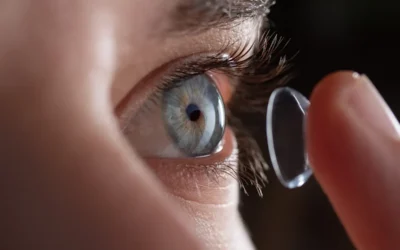
- Multifocal contact lenses — contact lenses designed to help you see clearly at multiple distances throughout the day
- Updated prescription eyewear — adjustments to your current prescription to improve clarity and comfort as your vision changes
The right solution depends on your lifestyle, work environment, and how often you switch between near and distance tasks throughout the day.
Why are eye exams important after 40?
After age 40, several eye conditions become more common, including cataracts, glaucoma, and dry eye disease. Many of these conditions develop gradually and may not cause noticeable symptoms early on.
Routine eye exams help monitor both your vision and eye health, allowing changes to be identified earlier and managed before they begin interfering with daily activities.
Find clearer, more comfortable vision
Changes in near vision can make reading, screen use, and other close-up tasks more frustrating than they used to be. The right prescription and personalized care can help make those everyday activities feel more comfortable again.
Schedule an appointment at Decatur Family Eye Care today for a comprehensive eye exam and personalized recommendations to help you manage presbyopia.