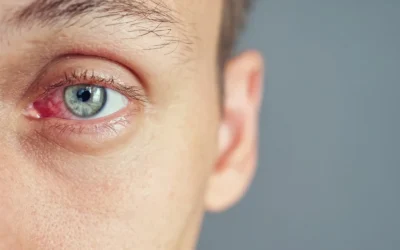
High blood pressure doesn’t always cause noticeable symptoms, but it can quietly affect parts of the body you might not think about, including your eyes. Many people only learn about these changes during a comprehensive eye exam, often before they notice any changes in their vision.
In this blog, we discuss how hypertension affects eye health, which conditions it can cause, and the importance of routine eye exams.
How high blood pressure affects the eyes
High blood pressure, also known as hypertension, puts extra force on blood vessel walls throughout the body. The eyes contain a dense network of small, delicate blood vessels that supply the retina, the light-sensitive tissue at the back of the eye.
Over time, that increased pressure can cause changes such as:
- Narrowing of blood vessels
- Thickening of vessel walls
- Reduced flexibility in circulation
- Leaking or damage to tiny retinal vessels in more advanced cases
These changes often develop gradually, which means vision can stay normal even while the blood vessels show signs of stress.
Why is the retina important for your vision?
The retina converts light into signals that the brain can interpret and depends on a steady, healthy blood supply to function properly.
During a dilated eye exam, an eye doctor can view the retinal blood vessels directly. This makes the eye one of the few places in the body where vascular changes can be observed without invasive testing.
Because of this visibility, the retina often reflects changes occurring in blood vessels throughout the body. In some cases, findings in the eye can lead to further evaluation for high blood pressure.
Symptoms of high blood pressure you might notice
Many people with high blood pressure-related eye changes don’t notice symptoms at first. When symptoms do appear, they can include:
- Blurry or fluctuating vision
- Headaches, especially with severe blood pressure changes
- Reduced sharpness of vision
- Vision changes that come and go
- Difficulty focusing
These symptoms don’t always point to high blood pressure alone, but they do signal a need for a comprehensive eye exam.
Eye conditions linked to high blood pressure
Long-term or uncontrolled hypertension can contribute to several eye-related conditions, including:
- Hypertensive retinopathy — damage to retinal blood vessels caused by sustained high blood pressure
- Choroidopathy — fluid buildup under the retina that can affect vision
- Optic neuropathy — reduced blood flow to the optic nerve, which can impact vision quality
Some of these conditions develop slowly, while others can appear more suddenly in cases of very high blood pressure.
What eye doctors look for during an exam
A comprehensive eye exam gives your eye doctor a detailed view of your eye health, including the blood vessels inside the eye. During a dilated exam, they may assess:
- The shape and appearance of retinal blood vessels
- Signs of narrowing or vessel damage
- Swelling around the optic nerve
- Any fluid leakage or bleeding in the retina
- Overall retinal health and clarity
These findings help provide insight into both eye health and possible broader health concerns.
Don’t wait for symptoms to appear
High blood pressure can show up in the eyes before symptoms appear elsewhere. Regular eye exams help monitor these changes and support early detection and care.
Schedule a comprehensive eye exam with Decatur Family Eye Care to stay ahead of potential issues and protect your vision.