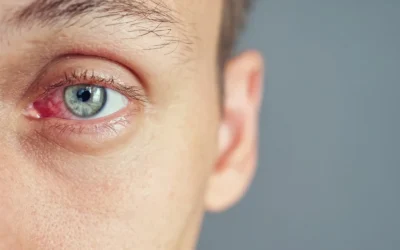
Autoimmune diseases are often talked about in terms of joints, digestion, fatigue, or skin changes, but your eyes can be part of the story, too. Lots of people assume their dry, irritated, “just tired” eyes were from screens or allergies, only to learn there is more going on. If you’re searching for an optometrist in Decatur because your vision or comfort has changed, it’s worth knowing how autoimmune conditions can show up in eye health.
Below is a practical, relatable guide to what to watch for and how an eye exam can add helpful clues to your overall care.
How autoimmune disease can affect the eyes
Autoimmune disease happens when the immune system mistakenly targets healthy tissue. Sometimes that process affects the eyes directly, and other times it affects nearby structures (like tear glands) or the blood vessels that support vision.
Eye-related symptoms can be intermittent, which is exactly why people brush them off. But patterns matter, especially when symptoms persist or return.
Autoimmune conditions that may be linked to eye issues include rheumatoid arthritis, lupus, Sjögren’s syndrome, thyroid eye disease (Graves’), psoriasis, inflammatory bowel disease, and more.
Eye symptoms that may signal inflammation
Not every red or dry eye points to autoimmune disease. Still, certain symptoms are more suggestive of immune-related inflammation, especially if they feel intense, recurrent, or out of proportion to your usual allergies.
Pay attention to signs like:
- Persistent dryness, burning, or a gritty feeling
- Redness that doesn’t respond well to typical drops
- Light sensitivity (even indoors)
- Blurry vision that comes and goes
- Eye pain or aching around the eye
- Excess tearing (sometimes dryness triggers reflex tearing)
- Flashes, floaters, or a “curtain” over vision (urgent)
If you notice these, don’t try to power through. Chronic eye discomfort can be a signal that deserves a closer look.
Do autoimmune disorders attack the eyes?
People are often surprised to learn that an autoimmune condition can essentially attack the eyes in specific ways. Some of the more common immune-related eye conditions include:
- Dry eye disease (often linked to Sjögren’s or rheumatoid arthritis): tear production and tear quality can be reduced, leading to stinging, fluctuating vision, and irritation.
- Uveitis: inflammation inside the eye that can cause pain, redness, light sensitivity, and blurred vision.
- Scleritis/episcleritis: inflammation of deeper layers of the eye; scleritis can be quite painful and is more likely to be a sign of autoimmune disorders.
- Thyroid eye disease: can cause bulging eyes, lid retraction, pressure, dryness, or double vision.
These aren’t conditions you want to self-diagnose. They require an exam and, sometimes, coordination with your primary care provider or specialist.
How an eye exam can support your overall health
A comprehensive eye exam can do more than update your prescription. It can help document symptoms, evaluate the ocular surface, and check for signs of inflammation or tissue changes.
Depending on what we find, your optometrist may recommend:
- Targeted dry eye testing and treatments tailored to the cause
- Prescription drops or other therapies to calm inflammation
- Changes to your lenses or lens coatings to reduce glare and visual strain
- A review of systemic symptoms to share with your medical team
- Referral or co-management if the findings suggest a systemic issue
If you already wear eyeglasses, a sudden increase in blur or a prescription that changes quickly can also be a clue that something beyond routine vision change is happening.
A clearer path to comfort and confidence
If you’ve had dryness, redness, sensitivity, or blurry swings that don’t match your normal routine, scheduling a comprehensive eye exam is a practical next move. The experienced eye doctors at Decatur Family Eye Care can evaluate what’s happening, explain your options, and help you build a plan that supports both comfort and vision. Call or book online to schedule your appointment.