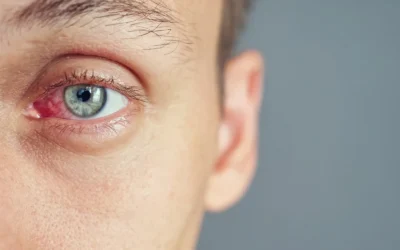
Your contacts may feel perfectly fine in the morning, then dry, scratchy, or hard to tolerate by late afternoon. That change is common, but it is not something you have to simply put up with. A contact lens exam can help identify whether dryness, lens fit, your prescription, or your wear schedule is behind the discomfort.
An eye doctor can evaluate both your vision and eye health to help you find contacts that feel as good at the end of the day as they do when you first put them in.
Common reasons contacts become uncomfortable
Several factors can affect how your lenses feel over the course of the day. Sometimes, more than one is involved.
Your eyes may be dry
Contact lenses rest on the tear film that keeps your eyes lubricated. If your tears evaporate too quickly or do not provide enough moisture, lenses can start to feel dry, gritty, or stuck by the end of the day.
Screen time can make this worse because people tend to blink less while using a computer, phone, or tablet. Air conditioning, seasonal allergies, certain medications, and long days indoors can also contribute. A dry eye evaluation can determine whether dry eye is affecting your contact lens comfort.
Your lenses may not be the best fit
A lens that is slightly too tight, too loose, or not shaped for your eye can create friction and discomfort as the day goes on. Even if you have worn the same brand for years, your eyes and vision needs can change.
During a contact lens exam, your eye doctor measures the size and curvature of your cornea and checks how your lenses move and settle on your eyes. A different lens material, replacement schedule, or design may provide a more comfortable fit.
You may be wearing them longer than recommended
It is easy to stretch contact lens wear when your day gets busy, but wearing lenses beyond their recommended schedule can leave eyes red, tired, and irritated. Sleeping in lenses that are not approved for overnight wear can also increase the risk of more serious problems.
If discomfort improves after you remove your contacts, that is useful information to share with your eye doctor. It may point to dryness, lens deposits, or a need to revisit your routine.
When dry eye treatment may help
For some patients, contact lens discomfort is tied to meibomian gland dysfunction, which affects the oils that keep tears from evaporating too quickly. In these cases, drops alone may not fully address the source of the problem.
Depending on your symptoms and eye health, advanced treatment may be appropriate. Radiofrequency treatment for dry eye uses controlled heat around the eyelids to support healthier oil flow. IPL treatment for dry eye may help address eyelid inflammation that contributes to dryness.
Feel comfortable in your contacts again
Following your replacement schedule, cleaning lenses as directed, and giving your eyes regular breaks can help prevent eye irritation when wearing contact lenses. Schedule an appointment today to find a comfortable solution for your eyes.